


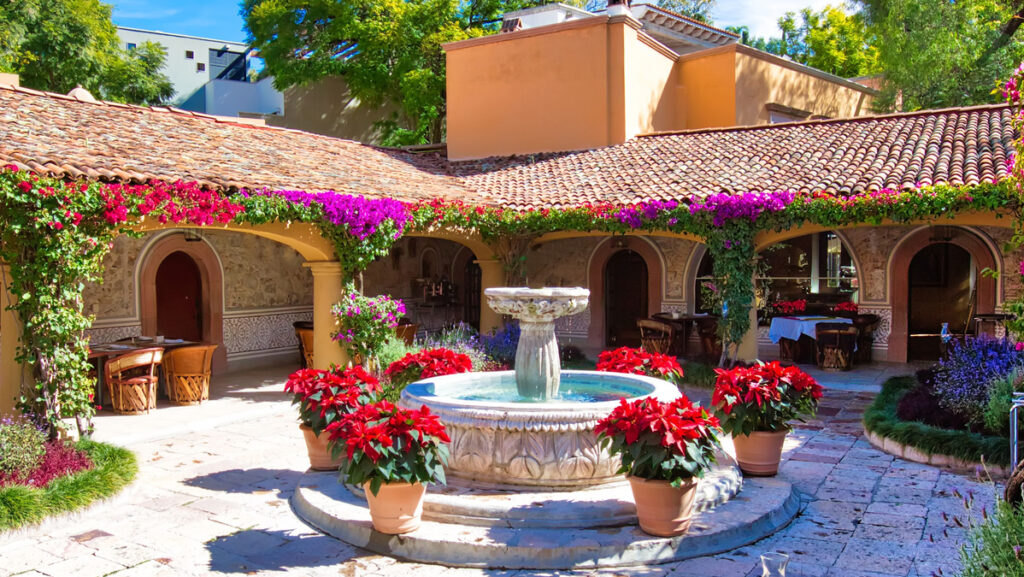
Historic homes in San Miguel de Allende ask for a different kind of attention. Their value comes from more than age or a handsome façade. The real appeal lies in the relationship between architecture and daily life. A house that has carried generations can still feel elegant, private, and deeply comfortable when its restoration has been handled with intelligence.
For a luxury buyer, the opportunity is rare. Craftsmanship of this caliber can be difficult to reproduce, and the location may place daily life inside one of Mexico’s most admired historic settings. Before moving forward, the buyer needs a clear picture of the property’s legal status and the quality of past work.
That is the right starting point for evaluating historic district homes in San Miguel de Allende.
The UNESCO Designation Belongs to the Historic Setting
San Miguel de Allende’s historic center forms part of the UNESCO World Heritage site known as the Protective Town of San Miguel and the Sanctuary of Jesús Nazareno de Atotonilco. The designation recognizes the cultural importance of the urban fabric, including its civic buildings and exceptional residential architecture.
Among UNESCO properties in San Miguel de Allende, value comes from belonging to this protected setting rather than from a private certificate attached to an individual house. Each residence still has its own title history, physical condition, and heritage status.
That distinction has practical consequences. Two homes located close together may face different considerations because of age, previous alterations, or their relationship to a protected structure. A buyer should never rely on a marketing description to define what can be changed after closing.
The reward is equally important. Ownership in this part of San Miguel means becoming part of a living historic city, where architecture still shapes the experience of walking home and opening the front door.
Colonial Character Needs a Careful Reading
The term “colonial” is used broadly in real estate. Some houses preserve major portions of an early plan, while others combine older masonry with work completed much later. Both can be beautiful. The difference influences renovation strategy and long-term value.
Many colonial homes for sale in San Miguel de Allende have evolved gradually. A courtyard may retain its original relationship to the surrounding rooms even after the kitchen has been modernized. Elsewhere, a roof terrace could be a later addition that changed the way the house handles water.
Age alone does not create quality. We look for coherence. The strongest properties show respect for the original scale of the home, even when contemporary comfort has been introduced.
Irregular plaster or a hand-cut stone floor can give a house depth. Deferred maintenance creates a different impression. Experienced guidance helps distinguish the natural character of an older building from work that requires serious attention.
A Good Restoration Reveals Itself Slowly
Fresh finishes can make a historic home look complete before the deeper work has been evaluated. A polished surface tells very little about the wall behind it.
During a tour, we pay close attention to transitions between old and new construction. Those areas often reveal how carefully the restoration was planned. An enlarged opening should feel structurally resolved rather than improvised. New bathrooms need proper waterproofing, especially where they meet thick masonry.
Circulation offers another clue. San Miguel’s older homes often unfold around a courtyard, giving privacy to rooms that face inward. When renovation ignores that logic, the house may feel fragmented despite the use of expensive materials.
Good restoration does not erase age. It makes the property easier to live in while preserving the qualities that gave the house value in the first place.
Renovation Plans Need an Early Reality Check
Historic ownership can still leave room for creativity. The process simply needs to begin with accurate information.
Depending on the property and the proposed work, municipal review may be required. INAH involvement can also become relevant when a historic monument or protected context is affected. An architect familiar with local heritage procedures should examine the idea before the buyer assigns value to a planned transformation.
This is especially important when a future owner hopes to alter the roofline. Exterior openings may receive similar scrutiny because they influence the street-facing character of the house.
Early advice protects the design vision. It can show which improvements are realistic and help the buyer avoid basing the budget on work that may not receive approval.
Careful planning is central to historic property renovation. In San Miguel, the best results often come from working with the house rather than trying to overpower it.
Water Tells the Hidden Story
Rain reveals more about an older San Miguel home than a perfect dry-season showing.
Historic masonry behaves differently from modern wall systems. Once moisture enters, the wall may hold it long after the original source has been repaired. Fresh paint can conceal staining for a time, which is why the history of roof maintenance deserves a direct conversation.
Terraces and parapets deserve close attention because small failures can cause water to enter rooms below. The shape of the property also affects drainage. In a courtyard house, rainwater needs a clear route away from the interior.
A specialist can determine if visible marks reflect an old repair or an active problem. That distinction can substantially change the renovation budget.
The goal is not to reject every sign of age. It is to learn what the house is communicating before the purchase becomes final.
Modern Comfort Should Feel Quiet
The finest restorations make modern systems feel almost invisible. Comfort is present, yet the house still feels rooted in San Miguel.
Electrical capacity deserves review because older properties were built for a very different level of demand. Later upgrades may have been completed in stages, so the age of the visible fixtures does not always reflect the condition behind the walls.
Water pressure should remain consistent across the property. If the home includes filtration or storage, the buyer needs to know how those systems have been maintained.
Thick walls can weaken wireless coverage, which is why internet performance should be tested. A remote professional may need a discreet network plan that reaches the entire house without disturbing its appearance.
Heating and cooling require sensitivity as well. San Miguel’s climate allows many homes to rely on passive comfort for much of the year. Where mechanical systems have been added, their placement should respect the architecture and the quiet atmosphere expected at this level.
Centro Living Extends Beyond the Front Door
The experience of a historic home begins on the street. Centro can offer remarkable walkability, yet daily life changes from one block to the next.
Some Centro homes for sale in San Miguel de Allende feel remarkably peaceful once the front door closes. Their courtyards create distance from street activity, and the main rooms remain protected. Nearby properties may carry more sound because of their roof design or their position on the block.
Access deserves the same care. A steep approach can change how the home feels after a long dinner in town. Secure parking may have unusual value on streets where space is limited.
Festival periods offer a useful perspective because they show how the immediate area handles increased activity. Buyers who plan to live in San Miguel full-time should evaluate the address beyond the calmest hour of a scheduled tour.
Historic-center ownership can be deeply rewarding when the location supports the owner’s actual routine.
The Purchase File Is Part of the Property
A beautiful restoration should have a clear history behind it.
Legal review needs to confirm ownership and identify any conditions affecting the transaction. Past additions also deserve attention, particularly when they altered the home’s footprint or exterior profile.
Permit records can help explain how major work was handled. Missing documentation does not always mean the same thing, but it deserves investigation before the buyer assumes every visible improvement can remain as built.
The purchase file should also align with what appears during the tour. If a rooftop structure feels recent, the buyer’s advisors can determine how it relates to the approved plans. That review is easier before closing than after a future renovation application raises the question.
For anyone buying historic homes in Mexico, document quality supports physical due diligence. The house and its records should tell a consistent story.
Restoration Budgets Need Room for Discovery
Historic work rarely behaves like a standard remodel. Once a wall is opened, the scope can change. Materials may require skilled local craftspeople who know how to work with old masonry and traditional finishes.
A realistic budget should include space for discovery. That does not, by definition, make restoration unpredictable. It reflects the nature of working with a building whose full history may not be visible at the outset.
Timing deserves similar care. Handmade work can take longer, especially when the goal is to match existing details with integrity. Rushing this process often produces the very result luxury buyers want to avoid.
The right team can make restoration one of the most rewarding parts of ownership. Decisions become more personal, and the house begins its next chapter without losing the character that made it desirable.
Resale Strength Comes from Coherence
Historic value is strongest when the home feels both authentic and comfortable.
Among historic homes in San Miguel de Allende, buyers respond to restrained restoration. The original architecture remains legible, while contemporary changes improve daily use without drawing attention away from it.
Overdesign can weaken that balance. A house filled with expensive materials may still feel disconnected if those choices ignore its proportions. Thoughtful work usually ages better because it belongs to the property.
Compliance also supports resale. Future buyers may arrive with renovation plans of their own, and a clear record gives them more confidence. The property becomes easier to evaluate because its history is not hidden behind assumptions.
In San Miguel de Allende’s luxury real estate market, a well-preserved historic home can be difficult to replace. That scarcity has real appeal when the ownership experience matches the beauty.
Choosing a Historic Home Worth Preserving
The right historic property does not feel like a collection of old details. It feels coherent. The architecture carries history, while the restoration allows the next owner to live well without erasing it.
At Dream Pro Homes Luxury, we approach these homes with genuine excitement and a careful eye. We want clients to recognize the emotional power of the property and see the practical work that protects it.
Historic ownership in San Miguel can offer something rare. The buyer becomes part of a house that already has a story, then gains the privilege of shaping what comes next.